The Rise of Additional Dwelling Units (ADUs) on Boston’s North Shore: What Homeowners Need to Know
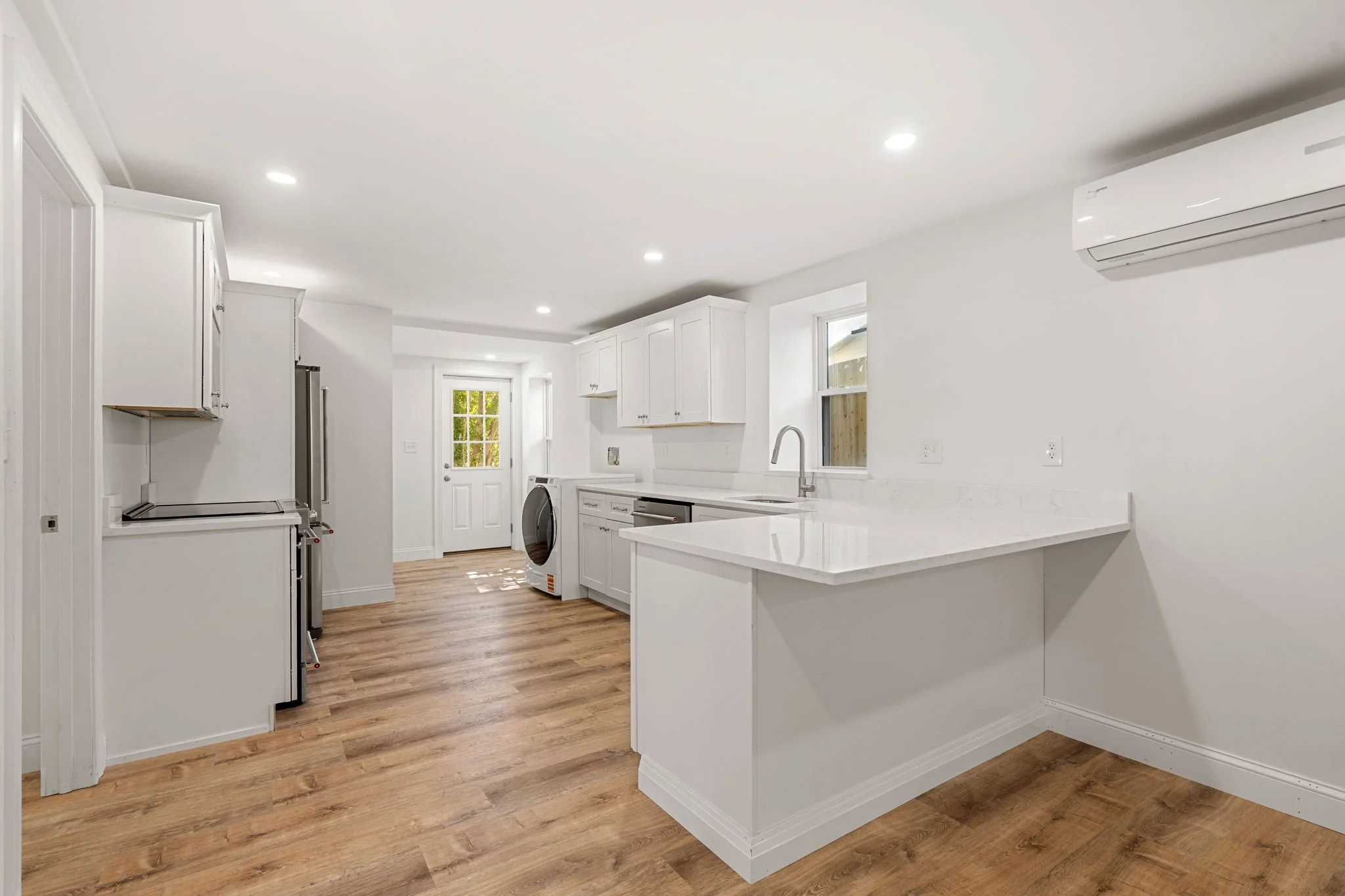
29 Willson St., Salem, MA 01970 - Additional Dwelling Unit
What Is an ADU?
An Additional Dwelling Unit (ADU)—also called an in-law suite, granny flat, or accessory apartment—is a self-contained living space built on the same lot as an existing home. ADUs can be attached (like basement or garage conversions) or detached (like backyard cottages). In Massachusetts, especially across the North Shore, ADUs are becoming a leading trend for homeowners looking to expand livable space and increase property value.
Why ADUs Are Booming on Boston’s North Shore
In 2025, cities and towns across the North Shore of Massachusetts—including Salem, Beverly, Peabody, Marblehead, and Danvers—are seeing a surge in ADU construction. Several factors drive this growth:
High Housing Demand: Boston’s housing market remains tight, and homeowners are turning to ADUs as affordable housing solutions.
Flexible Use: Homeowners use ADUs for multi-generational living, home offices, or rental income.
Updated Zoning Regulations: Towns like Salem and Beverly have simplified ADU permitting, making it easier to build legally compliant units.
Increased Property Value: A well-designed ADU can add 20–30% to a home’s resale value on the North Shore.
ADU Design Trends in 2025
Modern North Shore ADUs combine smart design with energy efficiency. Popular styles include:
Detached backyard cottages with contemporary finishes and compact layouts.
Garage conversions turned into sleek rental suites.
Basement in-law apartments with private entrances and full kitchens.
Eco-conscious ADUs using foam insulation, ductless mini-splits, and solar-ready systems.
Local builders and remodelers are tailoring designs to historic North Shore architecture while meeting modern code and accessibility standards.
Key Zoning and Permitting Considerations
Before breaking ground, homeowners should understand local zoning laws. Each municipality—Salem, Beverly, Peabody, and beyond—has unique requirements regarding:
Lot size and setbacks
Owner occupancy rules
Maximum square footage
Parking requirements
Utility connections
In Massachusetts, ADUs are typically limited to 900–1,200 square feet, depending on the town. Homeowners should consult local building departments or licensed professionals familiar with North Shore zoning before starting construction.
Financial and Real Estate Benefits
Building an ADU is one of the most cost-effective ways to generate passive income and increase property value. Average construction costs in the Boston metro area range from $150,000–$300,000, but rental income from a one-bedroom ADU can reach $2,000–$2,500 per month depending on location and design quality.
With rising mortgage rates, more North Shore homeowners are leveraging ADUs to offset housing costs or provide independent living space for aging family members.
Popular North Shore Communities for ADUs
Some of the most ADU-friendly communities north of Boston include:
Salem: Progressive zoning policies and growing demand for multigenerational housing.
Beverly: Strong rental market and flexible building options for detached units.
Marblehead: Limited land availability makes ADUs a practical solution for expansion.
Peabody and Danvers: Suburban lots with space for garage conversions or backyard units.
These towns offer a mix of historic charm and modern flexibility—ideal conditions for homeowners considering an ADU project.
How to Get Started
If you’re thinking about building an Additional Dwelling Unit on the North Shore, start with:
A site feasibility assessment to confirm zoning compliance.
Architectural plans that fit your lot and intended use.
A licensed general contractor experienced with ADUs.
A financing strategy (cash-out refinance, HELOC, or construction loan).
Many homeowners also consult real estate professionals to evaluate how an ADU will affect resale value and rental potential.
Final Thoughts
From Salem to Manchester-by-the-Sea, the demand for Additional Dwelling Units in Massachusetts is reshaping how homeowners think about space, family, and investment. Whether you’re planning an in-law suite, rental cottage, or home office retreat, ADUs represent one of the most impactful ways to future-proof your property on the North Shore.